The Gentle Strength of Kindness: How Small Acts Transform the World
The Gentle Strength of Kindness

In a world that often celebrates ambition, speed, and achievement, kindness can seem like something small—almost invisible. Yet history, philosophy, and human experience all point to one truth: kindness is one of the strongest forces in existence. It shapes relationships, heals wounds, and opens doors that intellect and power alone can never unlock.
“Be kind whenever possible. It is always possible.” — Dalai Lama
Kindness is not an act of weakness. It is a form of strength born from inner stability. It takes courage to remain gentle when life becomes heavy, and wisdom to offer softness in a world that often rewards hardness. And yet, every act of kindness—no matter how small—creates ripples that extend far beyond what we see.
Small Acts, Great Impact
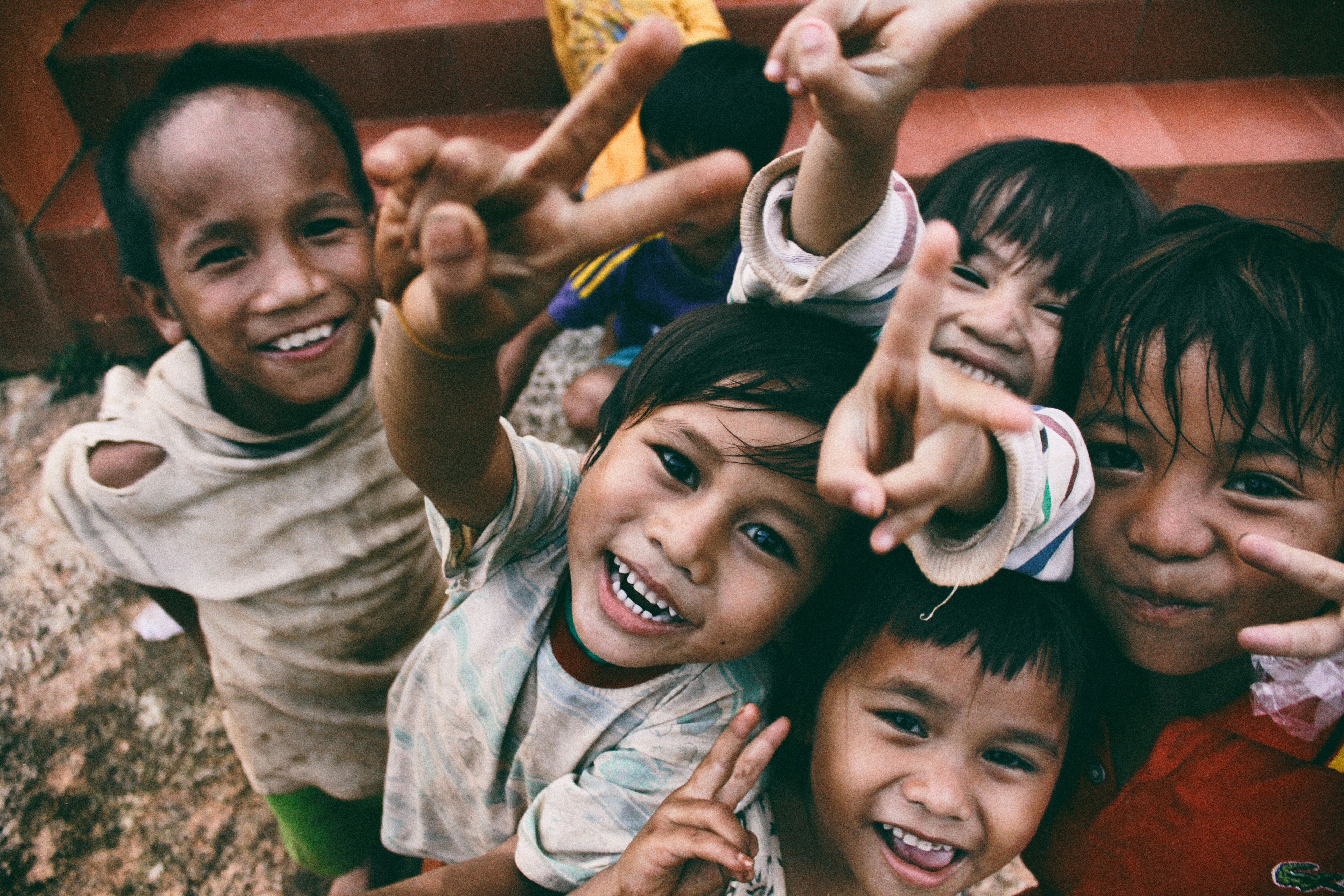
Most acts of kindness are quiet. A supportive message. A moment of patience. A sincere “I understand.” None of these are dramatic, but they carry enormous emotional weight. Psychologists describe kindness as a “high-impact micro-behavior”—small actions that produce disproportionately powerful effects on the brain and heart. Both the giver and the receiver benefit.
Research shows that kindness:
- reduces stress and anxiety,
- activates areas of the brain linked with joy,
- strengthens social connection,
- promotes resilience and emotional stability.
This means kindness is not only moral or spiritual—it is biological. We are designed for compassion.
The Ethics of Gentle Strength
Philosophers have long argued that the highest form of strength is the ability to choose empathy even when circumstances make it difficult. Aristotle called it the “excellence of character.” In Islamic tradition, kindness (rahma) is a central pillar of moral life. In Christian ethics, love and compassion form the heart of spiritual practice. In Buddhism, loving-kindness (metta) is a path to liberation.
Different cultures—same truth: Kindness is the quiet architecture of a meaningful life.
When Kindness Becomes a Daily Practice

Living kindly does not require grand gestures. It begins with presence: noticing others, listening fully, offering warmth where the world often offers indifference. The more we practice small acts of compassion, the more naturally they arise. Kindness becomes not something we do, but something we are.
And in a global climate marked by tension and division, simple kindness becomes a radical act—one that can reshape communities and gently influence the world.
“Kindness is a language which the deaf can hear and the blind can see.” — Mark Twain
A World Built on Gentle Strength
Kindness may look soft, but it is not fragile. It is resilient. It survives disappointment, misunderstanding, and even rejection. The more we cultivate it, the more powerful it becomes. And perhaps the greatest truth of all is this: whether or not we ever see the outcome, every act of kindness leaves a trace somewhere in the human spirit.
In small ways, every day, we are shaping the world. Let that shaping be gentle.


Comments
Post a Comment